
Reviewed · NORTH QATAR TOURS
Private Full Day Guided Tour in Qatar North and West
This private full day tour feels like a time machine, taking you from Al Khor where pearl fishing and harbor life shaped the region, out toward the dramatic desert views near Zekreet. I love the way the day connects natural spots with major historic sites, and I especially love the guidance quality, with Zohaib named as a standout for being professional, informed, and great at answering questions. One thing to plan for is the Al Zubara Fort entrance fee, since it is not included.
You’ll cover a lot in about 6 to 8 hours, but it is not stressful because you ride in an air-conditioned vehicle with coffee or tea, plus bottled water. The stops are short and focused, so you get good highlights without being stuck in one place too long, though you should still dress for sun and dry air.
Key highlights
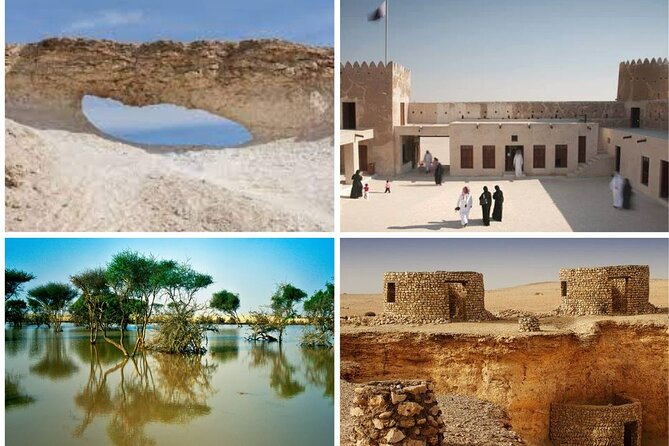
- Al Khor harbor area gives you context for how pearl fishing and trade worked in old Qatar
- Mangroves and Purple Island are a rare mix of nature and human-made walking access
- Al Zubara Fort is a major UNESCO-linked site, with the scale of an old trading town you can still picture
- Al Jumail village + camel racing track area add everyday heritage beyond the big monuments
- Zekreet Fort ruins and desert art pair dunes and photography with a Richard Serra sculpture you will actually notice in person
A smooth North and West Qatar route from Doha
This is the kind of day trip that works because it moves past the usual Doha bubble. You start in the north, where the coast and old harbor economy shaped life, then you keep heading west toward forts, villages, and the desert edges where Qatar looks different from the city.
The format matters. You are not spending your day trying to coordinate rides between scattered sights. Instead, you get a guided route with an air-conditioned vehicle, and you are back in Doha with enough energy to still enjoy dinner plans.
If you want your Qatar day to have variety, this delivers. You will see bird habitat mangroves, a fortified UNESCO site, a traditional pearling and fishing village, a camel racing setting, and finally two desert-focused stops that lean hard into big views and photo-friendly scenery.
More trips up the north coast:
- From Doha: North of Qatar Guided Tour with Transfers
★ 4.9 · 539 reviews - Full Day Tour to Qatar North And West With Pickup From Doha
★ 4.9 · 371 reviews - North Qatar Half-Day Tour: Al Zubarah, Purple Island & Mangroves
★ 5.0 · 337 reviews
What it feels like with a guide like Zohaib
A good guide turns a list of sights into a coherent story, and that is the strongest selling point here. In the best cases, your guide can explain what you are seeing in plain language, including why each place matters to Qatar’s past, not just what it looks like on a map.
Zohaib comes up as the type of guide who is professional and genuinely informed. The value is not speeches, it is Q and A that helps you understand the region you are driving through. If you have specific questions, you are more likely to get real answers than a quick checklist.
Because this is a private tour, the pace is more flexible for your group. That usually means fewer awkward moments of trying to keep everyone together, and more time to look when something catches your eye, like the viewpoint from the fort ruins or the way mangrove areas change the shoreline.
Al Khor: a northern start with harbor and industry context
Your first stop is Al Khor, about 50 kilometers north of Doha. It is one of Qatar’s larger cities, and it sits close to northern oil and natural gas fields as well as Ras Laffan Industrial City, so the area has both working-industry presence and older coastal life.
At around 30 minutes, this is not a long wander, but it is enough for perspective. You get an orientation for where the coast matters, and why places like this were tied to pearl fishing and everyday maritime activity in the past.
A practical tip: treat Al Khor as your warm-up. Use the time to get bearings and ask your guide how the coast economy shaped settlement patterns. You will understand later stops faster once you have this opening context.
Al Thakhira Beach mangroves: nature that shapes the shoreline
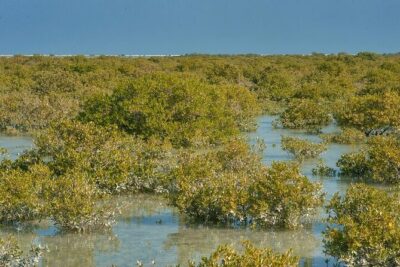
Next up is Al Thakhira Beach, where you will see mangroves. This is one of Qatar’s major natural tourism products, but it is also a functional ecosystem, a real habitat for birds, fish, and other wildlife.
The mangroves also play a coastal protection role. They help prevent coastal erosion, which is the kind of detail that makes the place feel more than just scenic. In about 30 minutes, you can look for bird activity and notice how the shoreline transitions from open water to the mangrove zone.
What I like about this stop for visitors is the balance. It is not an academic lecture, it is a place you can observe. If you are a photo person, this is also a decent place to capture a calmer, natural side of Qatar before the day turns more historic and desert-focused.
A few more Doha options worth a look
- Private Full Day Desert Safari
★ 5.0 · 392 reviews - Full Day Tour to Qatar North And West With Pickup From Doha
★ 5.0 · 288 reviews - Full Day Qatar’s North And West tour || History & Heritage
★ 5.0 · 229 reviews - Doha : Full Day Desert Safari | BBQ Dinner | Inland sea
★ 5.0 · 164 reviews
Purple Island (Jazirat bin Ghanim): a short walk with a clever connection
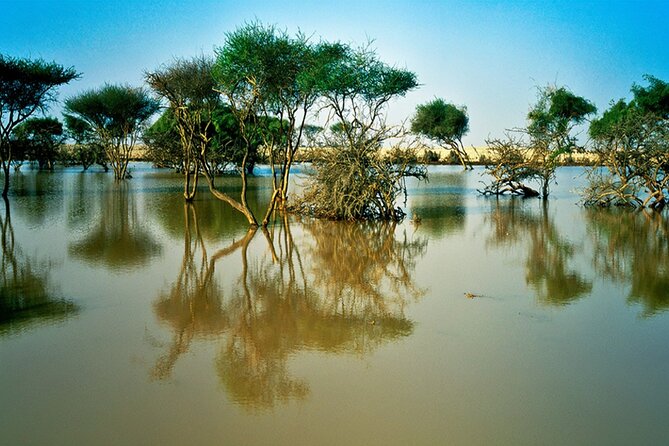
Then you go to Purple Island, also known as Jazirat bin Ghanim. It is about an hour from Doha, and the access is interesting: the island is connected to the mainland by a narrow path, and that path is broken in sections so water can flow toward the mangrove forest.
That design detail matters. It shows how the area balances access and ecology, instead of cutting straight across and treating nature like a backdrop. In about 45 minutes, you should have time to take a few photos, stroll a bit, and feel the contrast between island space and the mangrove surroundings.
Dress smart here. Even if it is not a long walk, it can still be hot and bright, and the ground conditions depend on the day. Bring water, and rely on the fact that the tour includes bottled water so you are not stuck rationing.
Al Zubara Fort: Qatar’s UNESCO-linked time capsule
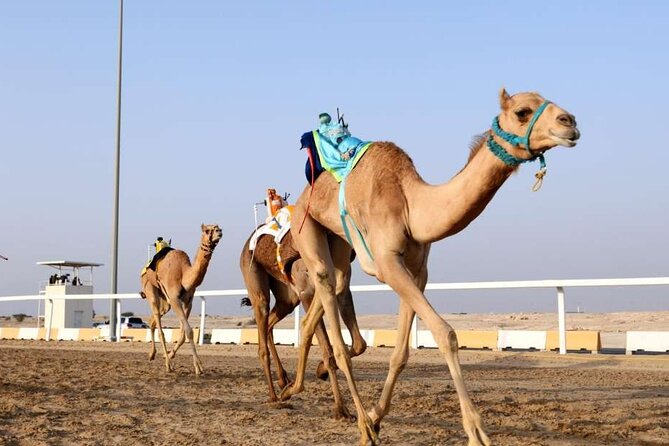
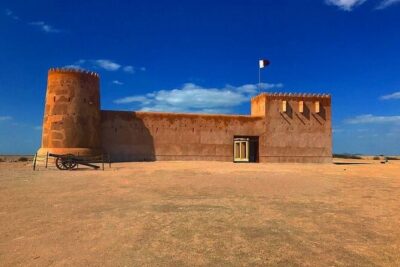
Al Zubara Fort is the biggest historic anchor of the day. It is Qatar’s largest archaeological heritage site, named a UNESCO World Heritage Site in 2013, and it is known for preserving an 18th to 19th century trading and pearl fishing town in the Gulf region.
This is also where you get scale. The heritage area stretches about 2.5 kilometers from the fort to the coast, so you are not just looking at one wall. The town developed in the mid-18th century and grew into a major settlement, attracting attention from other Gulf powers and leading to attacks over time.
One important planning note: Al Zubara Fort admission is not included. The fee is QR 35 per person (listed as about 10 USD). For value, think of it like this: the fort is the one place where you are paying for the privilege of seeing something that is genuinely central to Qatar’s story.
How to get the most out of your hour here:
- Look for the relationship between the fort and the coast, even if the visible details are limited
- Use the guide’s explanations to connect the trading economy to what you see on the ground
- Pace yourself for photos, because this is the stop where you will naturally want more time
Al Jumail: pearling and fishing village heritage, up close
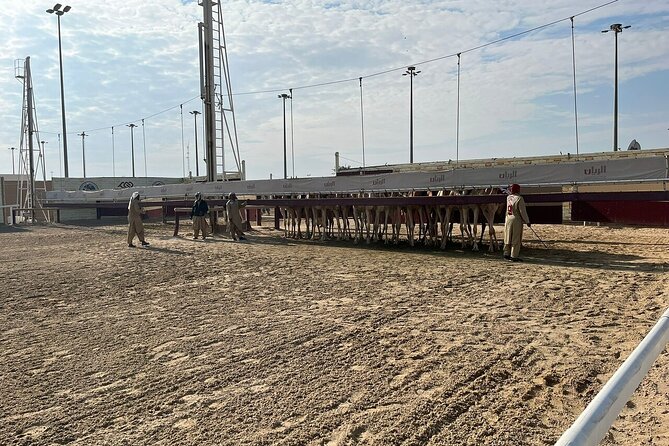
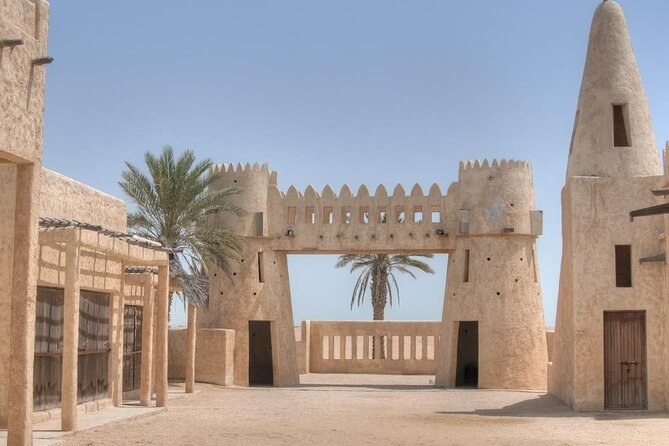
After the fort, you go to Al Jumail, the old pearling and fishing village area. The main appeal is learning more about Qatar’s daily heritage, the kinds of work and settlement patterns that supported the coast economy.
You get about 45 minutes, which is enough for a guided walk and a chance to notice details you might miss if you were passing through on your own. This stop is often valuable because it is less about a single famous landmark and more about how people lived and worked.
If you are traveling with family or you want a calmer break from big monuments, Al Jumail can be a good middle point. It tends to feel more human scale, and your guide can make it understandable in a way that feels relevant instead of distant.
Al Shahaniya Racetrack: camel racing culture and training rhythms
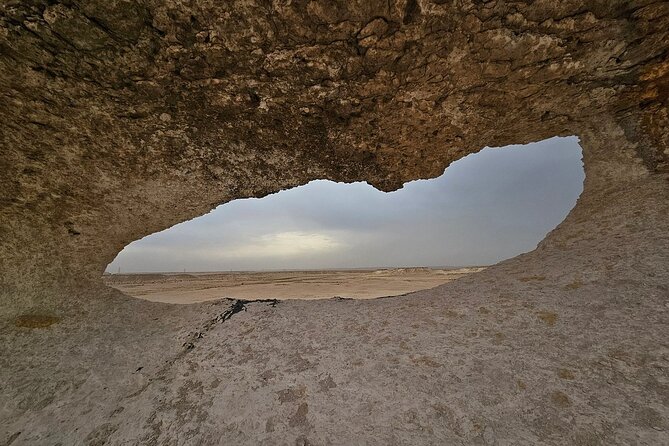
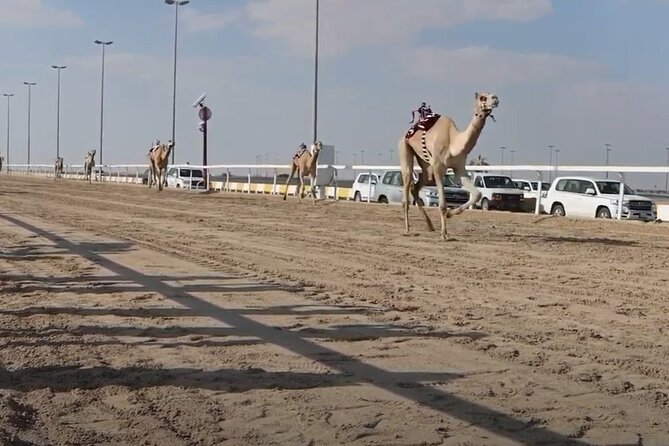
Next is the Al Shahaniya Camel Racing Track. Camel racing is a traditional regional sport, and the first professional camel races in Qatar were held in 1973 with 300 participating camels.
Today, the track hosts domestic and international tournaments. When you visit, you may see young camels paired with more experienced ones as part of training, and there is a chance you could catch a race if events line up.
This stop is about culture, not just watching. In about 45 minutes, you can pick up the sense that racing is a practiced tradition with training logic behind it. If you are interested in how Qatar’s culture lives outside museum walls, this is one of those stops that helps you see it as a living activity.
A practical consideration: since races are event-based, you might not always see an actual race. But you can still observe the setup and training vibe if the timing works.
Zekreet Fort ruins: dunes, ruins, and strong photo moments
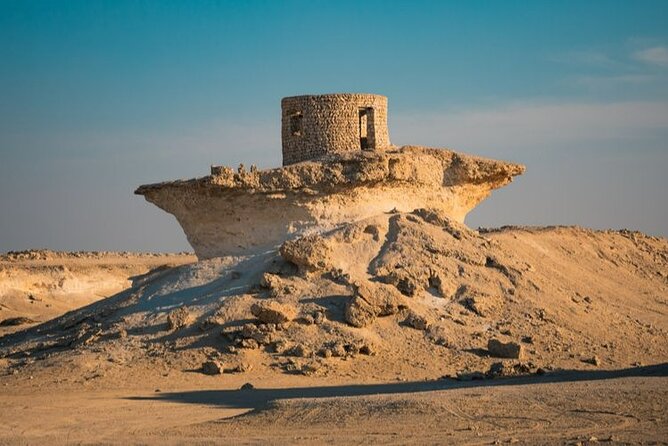
Then you shift into the dramatic scenery of the west. Zekreet Fort ruins are a historical landmark known for undergoing two different phases of construction, which gives the ruins a layered feel when you look closely.
You also get one of the day’s best visual payoffs. The fort sits among dunes and open desert views, and the scenery is the reason many people plan this trip in the first place. If you like wide shots and dramatic angles, this is where you will probably spend extra time.
In about 45 minutes, you can walk around the ruins area, take photos, and then pause for the bigger view. The caution is simple: desert conditions can change fast. Bring sun protection, take breaks when needed, and expect sand and glare.
Richard Serra East-West/West-East: desert art you can actually feel
The last named stop is East-West / West-East by Richard Serra. This public sculpture sits right in the desert setting, taking art off a pedestal and placing it into the everyday open air world. The idea is that your viewpoint shifts as you move, and the sculpture changes what you notice.
In the art description, Serra’s approach is very viewer-centered. The meaning comes through interaction, and you cannot fully predict how people will react, which is part of what makes it interesting to see in person.
You get about 45 minutes here, long enough to walk around and figure out your own angles. Even if you are not an art expert, you will probably find it visually satisfying because it plays against the desert geometry and light.
For many people, this stop is the perfect ending. After forts, villages, and nature, you finish with something that feels like modern Qatar stitched into the same physical space.
Price and value: what you are paying for, really
The price is $118.06 per person for a private full day, with an average booking lead time around 18 days. You get a lot of driving coverage, eight major stops, and a guided format that handles timing, entry flow, and the handoffs between areas.
Included items help the value feel real:
- Coffee and/or tea
- Bottled water
- Air-conditioned vehicle
That matters on a day like this. You are in the sun, in a wide geographic area, and your body will thank you for basic comfort.
What is not included is the Al Zubara Fort admission fee at QR 35 per person. That fee is worth budgeting because Zubara is the key UNESCO-linked anchor of the itinerary. If you were planning to visit alone, you would still be paying for transport and guide time, so the fee becomes part of the overall value rather than a surprise add-on.
For travelers, the value question is simple: do you want a guided, efficient route that covers both north coast nature and west desert heritage? If yes, this price can make sense.
Who this tour fits best (and who might want to rethink)
This tour is a strong fit if you want one day to cover multiple Qatar “faces,” with history, nature, and culture in the same loop. It is also ideal when you value explanations, not just photo stops, and you like asking questions.
It is also a good match if you are staying in Doha and want to avoid the stress of figuring out multiple separate trips. The guided private setup is especially helpful if your group has different interests, like someone who wants forts and someone who wants animals and scenery.
The main reason to rethink it is if you dislike driving days or want long free time at one single place. Most stops are around 30 to 45 minutes, with one hour at Al Zubara Fort. You will see a lot, but you will not “live” in one site all day.
Should you book this private North and West Qatar day?
Book it if your goal is to see the north coast and west desert in a structured, guided day that keeps you comfortable and informed. The standout strengths are the combination of mangroves, heritage forts, pearling village context, and desert photography, plus the chance of excellent guiding, including Zohaib being specifically praised for professionalism and knowledge.
Skip it or consider a shorter alternative if you want minimal driving, or if you are only interested in one or two sites. This is built for variety, and the payoff is the full storyline from coast to desert, not just one location.
If you want a day that feels efficient but still meaningful, this is the kind of tour you will be glad you booked.
FAQ
How long is the Private Full Day Guided Tour in Qatar North and West?
It runs about 6 to 8 hours, with travel time included in the total duration.
Where does the tour start?
The tour is based in Doha, and it starts with a stop at Al Khor, which is about 50 kilometers north of Doha.
Is pickup offered?
Yes, pickup is offered.
What is included in the tour price?
The tour includes coffee and/or tea, bottled water, and an air-conditioned vehicle.
Do I have to pay for Al Zubara Fort?
Yes. Al Zubara Fort has an admission fee of QR 35 per person (listed as about 10 USD), and it is not included.
Are the other stop admissions included?
Admission is listed as free for Al Khor, and included for Al Thakhira Beach, Purple Island, Al Jumail, Al Shahaniya Racetrack, Zekreet Fort ruins, and the Richard Serra sculpture stop.
Is this tour private?
Yes. It is a private tour/activity, so only your group participates.
Is there a mobile ticket?
Yes, the tour uses a mobile ticket.
Can I cancel for free?
Yes. You can cancel for a full refund if you cancel up to 24 hours in advance of the experience start time.
Is the tour suitable for most travelers?
The tour information states that most travelers can participate.
Latest listings around Doha
- Doha North Of Qatar Guided Tour with Pickup and Drop-Off★ 4.3 · 3 reviews
- Doha: West Coast Tour Sculpture,Camel Racing Track Rock Formation★ 5.0 · 3 reviews
- Private Wakesurfing or Wakeboarding along Doha’s skyline★ 5.0 · 3 reviews
- Doha: 1-Hour Speed Boat Ride With Water Activities★ 5.0 · 3 reviews
- Qatar: Desert Safari with BBQ Dinner & Quad Biking Options★ 5.0 · 3 reviews
- Doha: West Coast Tour, Zekreet and Richard Serra Sculpture★ 5.0 · 3 reviews
- North Of Qatar Tour With Professional Guide From Doha★ 5.0 · 3 reviews
- Doha: Dune Buggy/Quad Safari, Camel Ride, Sandboarding★ 4.7 · 4 reviews
North Qatar Tours, compared.
Full Day Tour to Qatar North And West With Pickup From Doha
Read our review →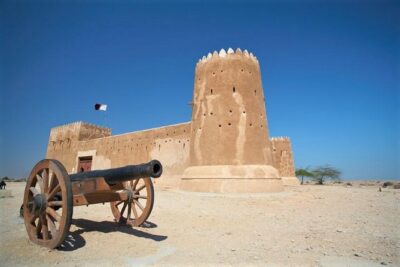
North Qatar Half-Day Tour: Al Zubarah, Purple Island & Mangroves
Read our review →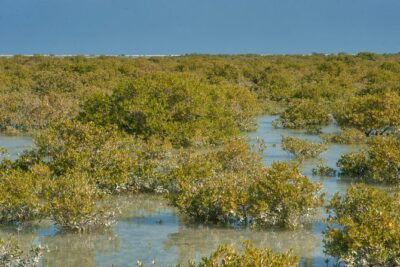
North Qatar Tour | Zubara Fort | Purple Island | Mangros Colony
Read our review →Full Day Tour to Qatar North And West With Pickup From Doha
Read our review →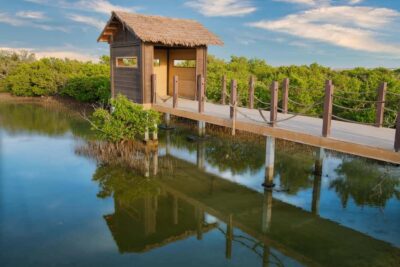
Doha North Qatar Tour Zubara Fort, Mangroves, Jumail Village
Read our review →
North of Qatar Tour to Olafur Eliasson Zubara Fort Jumail Village
Read our review →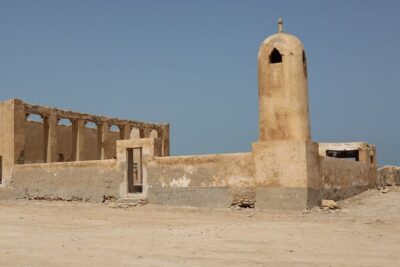
North of Qatar Tour, Zubara Fort, Mangroves, Jumail Village
Read our review →Browse the lists this tour appears in